Our Mission
Engage the public in southern Selkirk resource and land management issues through cooperation, scientific inquiry, education and economic diversity.
Our Vision
The Selkirk Conservation Alliance is the leading and faithful advocate to all who live, love and benefit from Priest Lake and its surroundings. We are committed to understanding, supporting and protecting the environment and all living beings found here. We are dedicated to the educational programs and scientific research that support and maintain this rare and exceptional environment for future generations.
Latest News
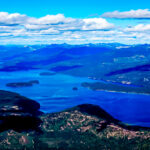
Outstanding Resource Water (ORW) nomination for Priest Lake
Selkirk Conservation Alliance will be working with Idaho Department of Environmental Quality and local community stakeholders over the next couple of years to get Priest…
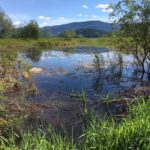
Protecting the Coolin Wetlands: A Court Win, and the Work Still Ahead
At the south end of Priest Lake, the Coolin Wetlands are one of only 13 Idaho wetlands given Idaho Fish and Game’s top Class 1…
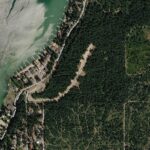
Action Alert: Speak Up for Priest Lake Before the Yoman Bluffs Decision
Bonner County commissioners are deciding the fate of the Yoman Bluffs Subdivision near Coolin. Email your opposition today and join the hearing on Oct. 20.
Upcoming Events
Who We Are
The Selkirk Conservation Alliance (SCA) is a 501(c)3 nonpartisan environmental nonprofit organization founded in 1986. SCA is one of north Idaho’s oldest environmental nonprofits and has worked continuously to protect the land, air, forests, wetlands, wildlife and WATER of the lower Selkirk Mountains and Priest Lake Watershed (over 1.75 million acres).
Featured Project
Selkirk Campground Safety Projects
From 2012 through 2014, the SCA worked with several eagle scout candidates and boy scout troops to install 16 bear proof food storage lockers in state and federal campgrounds around Priest Lake. Funding, project management, and logistical support for these projects was provided by the Equinox Foundation, Yellowstone to Yukon Initiative, the Defenders of Wildlife,…